
The Role of Professional Coaching
in Professional Growth
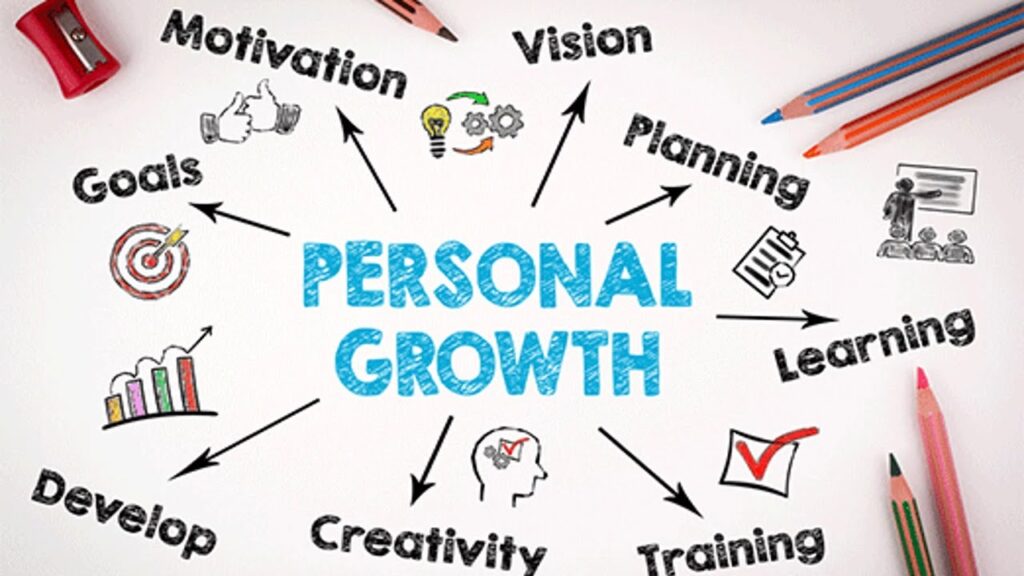
Enhancing human performance is crucial for companies to flourish in a competitive setting, and professional coaching plays an essential role in this process. Executive coaching enhances professional development and cultivates self-awareness among leaders by delivering tailored support and advice.
Coaching inspires leaders to imitate their strong areas for development. It equips them to make well-versed choices that connect with personal and organizational objectives. This self-awareness nurtures a greater know-how of how their actions influence team dynamics. It directs to enhanced communication and teamwork.
In face-to-face sessions, executive coaches guide leaders in establishing clear goals and implementing pragmatic approaches to attaining them. The emphasis on goal-setting drives distinct performance and links with the organization’s vision. It creates a unified environment where all professionals are targeted to work toward shared objectives.
Additionally, executive coaching is instrumental in developing serious leadership skills such as emotional intelligence, endurance, and compliance. By working meticulously with a coach, leaders learn to overcome challenges efficiently. This endurance sets an influential example for their teams, inspiring a culture of consistent improvement.
Furthermore, coaching offers a safe space for leaders to explore their thoughts and moods. It promotes personal development and self-examination. As leaders improve their abilities, the organization benefits from improved engagement and creativity.
To conclude, administrative coaching is an important piece of equipment for maximizing human capital output. Nurturing self-awareness and empowering professional development equip leaders to know their potential and drive their organizations to accomplishment.